Solar & Storage
Solar Self-Consumption Explained: Why Timing Matters
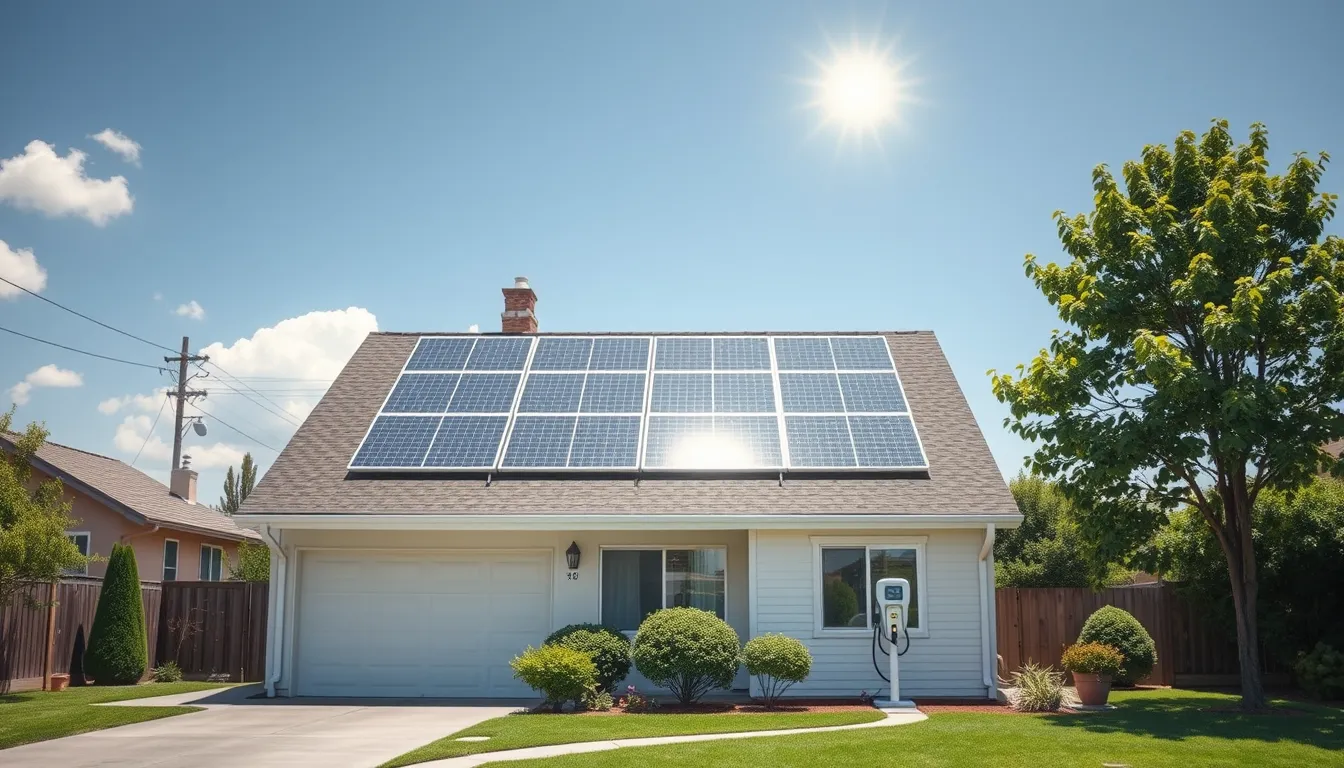
Solar self-consumption is the share of a home's solar generation used on site rather than exported. Timing matters because solar output often peaks when household…
Meet the contributor
Published guides and explanations from this contributor.
46 results
A little knowledge for your next decisionSolar & Storage
Solar self-consumption is the share of a home's solar generation used on site rather than exported. Timing matters because solar output often peaks when household…
Bills & Rates
Lower wholesale power prices may not lower your bill immediately because wholesale energy is only one part of the retail price, and retailers or utilities…
Save Energy
Smart plugs can be worth it for energy savings, but only in specific cases: when they cut power to a device with meaningful standby use…
Heating & Cooling
No. A lower thermostat setting usually reduces heating energy when it keeps the home cooler for a meaningful period, but it does not always reduce…
Heating & Cooling
An air conditioner that runs longer without cooling better is usually moving less air or removing less heat than it should, not simply working harder.…
Solar & Storage
Net metering usually credits exported solar electricity at a rate set in your utility's tariff, while net billing or an export-credit design pays a separate,…
Energy Explained
Wind energy can reduce fuel-price exposure and combustion emissions, but it does not automatically lower a household electricity bill. Its variability, distance from customers, and…
Solar & Storage
Solar panels produce kilowatt-hours, but bill savings are dollars shaped by self-consumption, export credits, fixed charges, timing, and the utility tariff. A system can generate…
Energy Explained
Natural gas is a fossil fuel used in many U.S. homes for space heating, water heating, cooking, and clothes drying. Its cost and environmental trade-offs…
Energy Explained
Renewable electricity plans usually sell the environmental attributes of renewable generation, not the electrons delivered to your home. Most plans use renewable energy certificates (RECs)…