Solar & Storage
Solar Self-Consumption Explained: Why Timing Matters
Solar self-consumption is the share of a home's solar generation used on site rather than exported. Timing matters because solar output often peaks when household…
Your home energy, explained
Understand home solar and battery storage before you buy. Compare quotes, production estimates, battery capacity, self-consumption, and export credits using consistent assumptions.
8 results
A little knowledge for your next decisionSolar & Storage
Solar self-consumption is the share of a home's solar generation used on site rather than exported. Timing matters because solar output often peaks when household…
Solar & Storage
Net metering usually credits exported solar electricity at a rate set in your utility's tariff, while net billing or an export-credit design pays a separate,…
Solar & Storage
Solar panels produce kilowatt-hours, but bill savings are dollars shaped by self-consumption, export credits, fixed charges, timing, and the utility tariff. A system can generate…
Solar & Storage
Solar payback is estimated by dividing net installed cost by annual net bill savings, so the result depends on installation price, annual generation, self-consumption, export…
Solar & Storage
Backup reserve and daily cycling are two separate battery goals. The reserve is energy held back for outages; daily cycling is the usable window above…
Solar & Storage
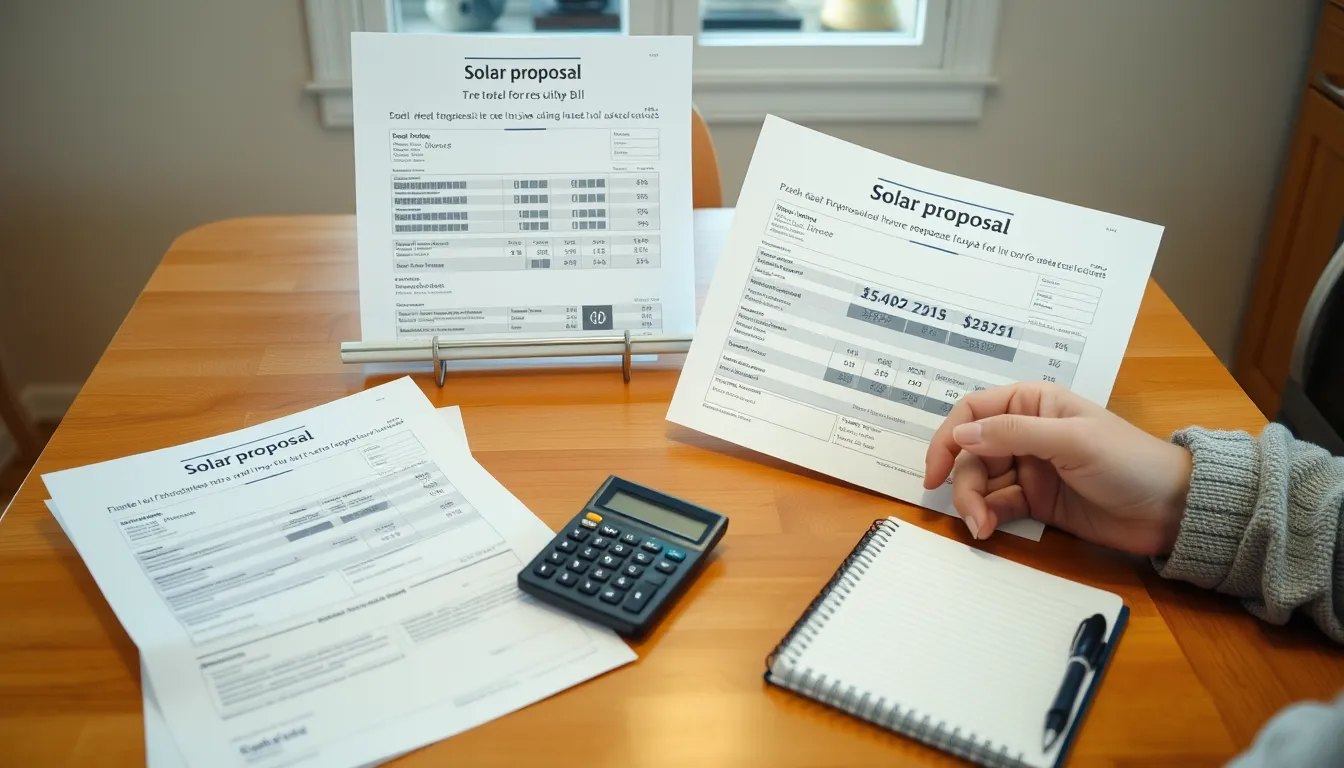
To compare solar quotes fairly, recalculate every proposal with the same household consumption, production-modeling method, self-consumption share, import and export rates, incentive treatment, financing basis,…
Solar & Storage
Home solar can lower bills and add resilience, but the value depends on site-specific production, how much solar the home uses, export compensation, installed cost,…
Solar & Storage
Home battery storage lets a household shift electricity from when it is generated or cheap to when it is needed, but the useful value depends…