The quick answer
An air conditioner that runs longer without cooling better is usually moving less air or removing less heat than it should, not simply working harder. Common causes include clogged filters, blocked vents, dirty coils, leaky ducts, refrigerant or compressor problems, and thermostat issues. Long runtime during extreme heat can be normal; the stronger warning sign is failing to reach the thermostat setting or feeling weak, not-cold airflow.
A long-running air conditioner is not automatically a broken air conditioner. On a very hot day, a correctly sized system may run for long periods to counteract heat coming into the house. The problem worth investigating is a system that runs longer than it used to, or runs almost continuously, while the indoor temperature stays flat, airflow feels weak, or the air coming from the registers is not cold. That pattern points to a system that is using energy but not removing heat efficiently.
In practical terms, an AC has two jobs: move enough indoor air across the indoor coil, and transfer heat from that air to the outdoor air. Daikin describes cooling as a heat-removal process, not simply air circulation. If either airflow or heat transfer is disrupted, runtime goes up before comfort does.
Long runtime is a symptom, not a diagnosis
Coolray notes that continuous running during hot summer weather can be normal when the system is trying to keep up with high outdoor temperatures. The warning sign is an AC that is always running but never makes the home comfortable. Too Cool Air makes a similar distinction: long runtime by itself is not a fault; failing to reach the thermostat setting is. That is why the first step is to compare the thermostat setting with the actual room temperature, outdoor conditions, and whether the system has changed behavior recently.
A system that has always struggled on the hottest afternoons may be undersized or facing a high heat load. A system that cooled well last summer but now runs longer and delivers less cooling is more likely to have a new airflow, heat-exchange, duct, or refrigerant-side problem.

Common reasons an AC runs longer without cooling better
Restricted airflow from a dirty filter, blocked vents, or duct problems
Airflow is the foundation of cooling. Coolray explains that an AC needs a certain amount of airflow to cool a home; when airflow is blocked or restricted, the system works harder and runs longer. Clogged air filters, closed or blocked supply and return vents, and leaky or disconnected ducts are common culprits. HVAC.com also identifies a dirty air filter as a frequent cause of slow cooling because it restricts airflow and reduces overall performance.
This is why a filter check is the first practical step. A filter that looks gray and matted can starve the system of air. A closed vent in a rarely used room can also change pressure and airflow through the rest of the house. Duct problems are harder to see; ducts that leak into a hot attic can deliver less cooled air to the rooms and draw in hot air instead.
Dirty indoor or outdoor coils
The indoor coil absorbs heat from household air, and the outdoor coil releases that heat outside. Too Cool Air lists dirty indoor and outdoor coils among the usual explanations for an AC that runs all day without reaching the thermostat setting. A layer of dust or debris acts like insulation, slowing heat transfer. The system may keep running because it is not removing heat at the rate it was designed to.
Coil cleaning can be more involved than a filter change. The outdoor unit also needs adequate clearance and unobstructed airflow; leaves, grass clippings, or stored items around the cabinet can reduce heat rejection. Homeowners can usually keep the area around the outdoor unit clear, but coil cleaning and any work inside the equipment should be left to a qualified technician.
Duct leakage and losses in unconditioned spaces
Duct leakage is especially relevant in U.S. homes with ducts running through attics, crawlspaces, garages, or other unconditioned spaces. Too Cool Air includes duct leakage into a hot attic among the explanations for long runtime and poor cooling. If cooled air escapes before it reaches the room, the air conditioner must run longer to move the same amount of comfort into the living space. Leaky return ducts can also pull hot attic air into the system.
Accessible disconnected ducts or crushed flexible ducts may be visible, but duct sealing and major repairs usually require an HVAC contractor. A room-by-room pattern can help: if some rooms are consistently warmer while others are cool, blocked vents or duct losses become more likely than a single refrigerant fault affecting the whole house.
Refrigerant-side faults and compressor problems
An air conditioner can run without cooling effectively if it has lost refrigerant, has a refrigerant-side fault, or has a compressor or electrical problem. Too Cool Air lists lost capacity from refrigerant, compressor, and electrical issues among the usual explanations. In simple terms, the compressor and refrigerant circuit are the parts that make the indoor coil cold. If the circuit is not working correctly, the blower can still move air, but that air will not be cooled as much.
This is not a do-it-yourself repair area. Refrigerant handling requires specialized equipment and training, and adding refrigerant without finding the cause can waste money or leave the underlying leak unresolved. If airflow is strong but the air is not cold, or if ice appears on refrigerant lines or the indoor coil, stop using the system and call a licensed HVAC technician.
Thermostat setting, location, and fan mode
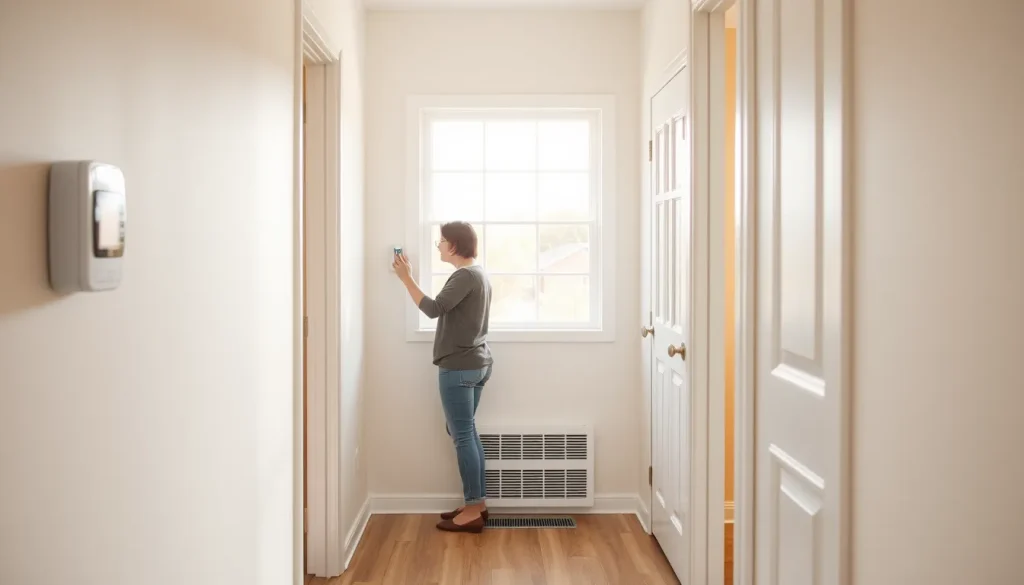
Sometimes the equipment is responding correctly to a setting or sensor problem. Too Cool Air notes that thermostat setting and thermostat location are among the items to check. A thermostat set far below the achievable indoor temperature will keep calling for cooling. A thermostat placed near a sunny window, a lamp, an appliance, or a supply register can read a temperature that does not represent the room, causing long or short cycles.
Also check the fan setting. If the indoor fan is set to on rather than auto, the blower may run continuously even when the compressor is not cooling. That can make the system appear to run constantly. Switching to auto for a day is a safe way to see whether the observed runtime changes; if the home still does not reach the setting, continue with the checks below.
Equipment size and lost capacity
A system that is undersized for the home may run for long periods during design-condition heat and still struggle to reach the setting. A system that has lost capacity because of a dirty coil, duct loss, refrigerant fault, or compressor problem can behave similarly. Too Cool Air frames this as the difference between an equipment-size problem and equipment that is no longer delivering its rated capacity.
Oversized equipment is not a simple fix either; it can create different comfort and humidity problems, and it is not diagnosable from runtime alone. The useful clue is history: did the system ever keep up? If yes, look for a change in performance. If it has never kept up, ask an HVAC contractor to evaluate load, equipment size, and duct design rather than assuming a repair will solve it.
Extreme outdoor heat and high indoor heat gain
Outdoor conditions matter. Coolray notes that continuous running can be normal during extremely hot summer weather, especially when temperatures reach the high 90s or 100s. Too Cool Air similarly explains that extreme outdoor temperatures can make the load on the house larger than the capacity being delivered.
Sun exposure, poor attic insulation, leaky windows, and heat-producing appliances can add to the load. On a 100°F afternoon, a system may need to run almost continuously to hold 75°F. The key question is whether the indoor temperature is trending toward the setting or stuck. A system that runs constantly but slowly reaches the setting during a heat wave may be facing a high load; a system that runs all day and never gets close needs service.
Safe checks a homeowner or renter can do
These checks are intended to gather information, not to diagnose refrigerant or electrical faults. Stop and call a professional if you see ice, smell burning, hear repeated clicking or loud mechanical noises, or find water leaking from the equipment.
- Confirm the thermostat settings. Check that the mode is cool, the setpoint is below room temperature, and the fan is set to auto if you want to test cycling. Replace thermostat batteries if the display is dim or the model uses batteries.
- Look at the air filter. HVAC.com recommends checking the filter monthly and replacing it when it looks clogged. Use the filter size and type specified by the manufacturer or HVAC technician.
- Check accessible vents. Make sure supply and return registers are open and not blocked by furniture, rugs, or boxes. Coolray identifies closed or blocked vents as a possible cause of restricted airflow.
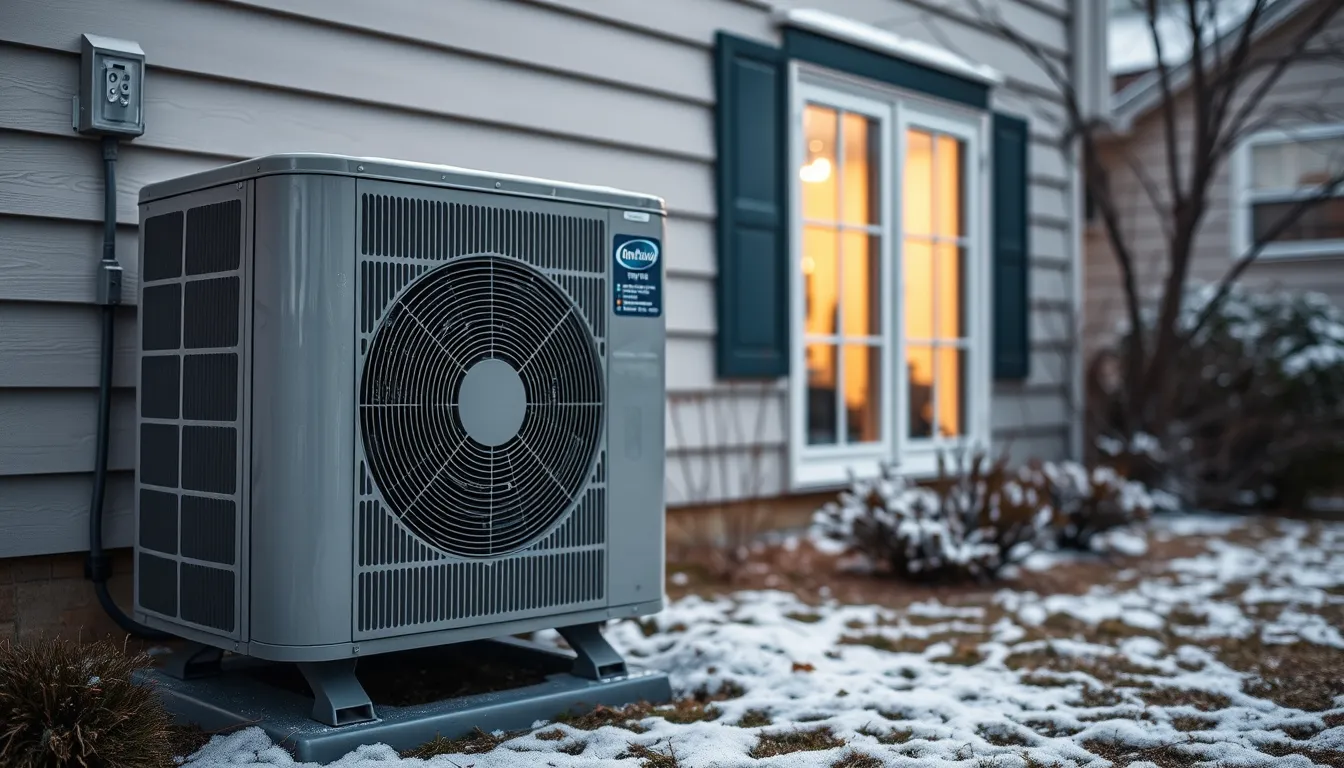
- Inspect the outdoor unit from a safe distance. Look for leaves, grass, or stored items blocking airflow around the cabinet. Do not open panels or remove guards. If the unit is visibly dirty or the fins are packed with debris, ask a technician to clean it.
- Note the symptom pattern. Is airflow weak at every vent, or strong but not cold? Are some rooms warmer? Does the system run constantly only during the hottest part of the day? These observations help a technician narrow the cause.
What the symptom pattern can suggest
| Symptom | Plausible cause | What to do next |
|---|---|---|
| Weak airflow from most vents | Dirty filter, blocked vent, duct restriction, blower problem | Check filter and accessible vents; call if airflow stays weak |
| Strong airflow but air is not cold | Dirty coils, refrigerant-side fault, compressor issue | Call a licensed HVAC technician; do not add refrigerant |
| Some rooms cool while others stay warm | Blocked vent, duct leakage, duct design or balancing issue | Open and clear vents; ask for duct inspection if it persists |
| Runs constantly during a heat wave but slowly reaches setting | High outdoor load, undersized equipment, building heat gain | Compare with prior summers; request load and equipment check if comfort is poor |
This table is a guide, not a diagnosis. A single symptom can have more than one cause, and the same cause can produce different symptoms in different homes.
Why longer runtime can raise the bill before comfort improves
Runtime affects energy use because the equipment draws power while it operates. For a simplified illustration, use the formula energy_kWh = kW × hours, where kW is the average electrical demand while the equipment is running and hours is the operating time. If an air conditioner draws an illustrative average of 3.5 kW while running and runs 2 extra hours per day for 30 days, the extra energy is 3.5 kW × 2 hours/day × 30 days = 210 kWh.
At an illustrative electricity price of $0.17 per kWh, that extra 210 kWh would cost about $35.70 for the month, before fixed charges, taxes, tiered pricing, time-of-use pricing, and other bill components. The rate is hypothetical, and the 3.5 kW figure is not a typical or measured value for a particular home. The example shows the direction of the effect: if a system runs longer because of restricted airflow or a heat-transfer fault, it can add usage while delivering less comfort.
For a real bill estimate, use the equipment’s measured consumption if available, or a clamp-style energy monitor installed by a qualified person. Nameplate watts alone do not establish average consumption because compressor cycling, outdoor temperature, thermostat settings, and blower operation all change the actual kWh.
When to call an HVAC professional
Call a licensed HVAC technician if the system still runs long and cools poorly after the thermostat, filter, and accessible vent checks. Also call if you see ice on the indoor coil or refrigerant lines, if the outdoor unit never runs, if the breaker trips, if you smell burning, or if water is leaking. Refrigerant charging, compressor diagnosis, electrical repair, and major duct sealing are professional tasks.
For renters, document the thermostat setting, filter condition, vent condition, and dates of the problem before contacting the landlord or property manager. For homeowners collecting quotes, ask the contractor to explain whether the problem is airflow, heat transfer, duct loss, equipment capacity, or controls. That separates a simple maintenance issue from a repair that may affect the purchase decision.
The practical next step
Start with the thermostat and air filter, then check that accessible vents are open and the outdoor unit has clear airflow. Record whether airflow is weak or strong and whether the air is cold. If the system still runs longer without cooling better, stop repeating temporary fixes and arrange service; the likely causes from that point are coil condition, refrigerant or compressor performance, duct leakage, or equipment capacity. That record will help the technician test the system instead of guessing.
FAQ
Does a longer-running AC always mean it is broken?
No. Coolray notes that continuous running can be normal in very hot weather. It is more concerning when the system runs all day without reaching the thermostat setting or when airflow is weak or not cold.
Can a dirty air filter make an AC run longer?
Yes. HVAC.com and Coolray both identify restricted airflow from a dirty filter as a cause of reduced performance and longer runtime. Replace a clogged filter before calling for service unless other warning signs are present.
Should I add refrigerant to my AC myself?
No. Refrigerant work requires specialized equipment and handling; a low charge also means there may be a leak. Call a licensed HVAC technician.
Why does my AC seem to run constantly when the fan is on?
A fan set to on can keep the indoor blower running even when cooling is not active. Switch to auto for a day to see whether the observed runtime changes; if cooling is still poor, continue troubleshooting.
Follow the evidence
Sources & references
- Daikin Middle East and Africa. Why your AC is blowing air but not cooling properly. https://www.daikinmea.com/en_us/knowledge-center/why-your-ac-is-blowing-air-but-not-cooling-properly.html (accessed November 5, 2026).
- Coolray. Why Is My Air Conditioner Constantly Running? https://www.coolray.com/help-guides/why-is-my-air-conditioner-constantly-running (accessed November 5, 2026).
- Too Cool Air. AC Runs All Day but Never Reaches Temperature: What It Means. Published September 15, 2026. https://toocoolair.com/learning-center/ac-runs-all-day-not-reaching-temperature
- HVAC.com. Why Your AC Unit Takes a Long Time to Cool (And How to Fix It). March 3, 2025. https://www.hvac.com/expert-advice/ac-unit-takes-long-time-to-cool
Useful terms in this guide
- Runtime
- The amount of time an air conditioner operates during a period, such as hours per day.
- Airflow restriction
- A blockage or reduction in air movement caused by a dirty filter, closed vent, duct problem, or blower issue.
- Refrigerant
- The fluid in an air conditioner's sealed circuit that carries heat from indoors to outdoors.
- Duct leakage
- Loss of conditioned air from ducts, often into attics, crawlspaces, or garages, before it reaches rooms.
Have a question about these numbers?
Tell us what needs a closer look.