The quick answer
If billed kWh is about the same but the amount due is higher, the cause is usually a change in price or bill structure rather than usage: a higher rate after a contract expires, a new fixed or minimum charge, higher delivery charges, a longer billing period, an estimated meter reading, or a shift in when electricity was used. Start by comparing billed days, kWh per day, and the effective average rate (total bill ÷ kWh). Then check the itemized charges before blaming the meter.
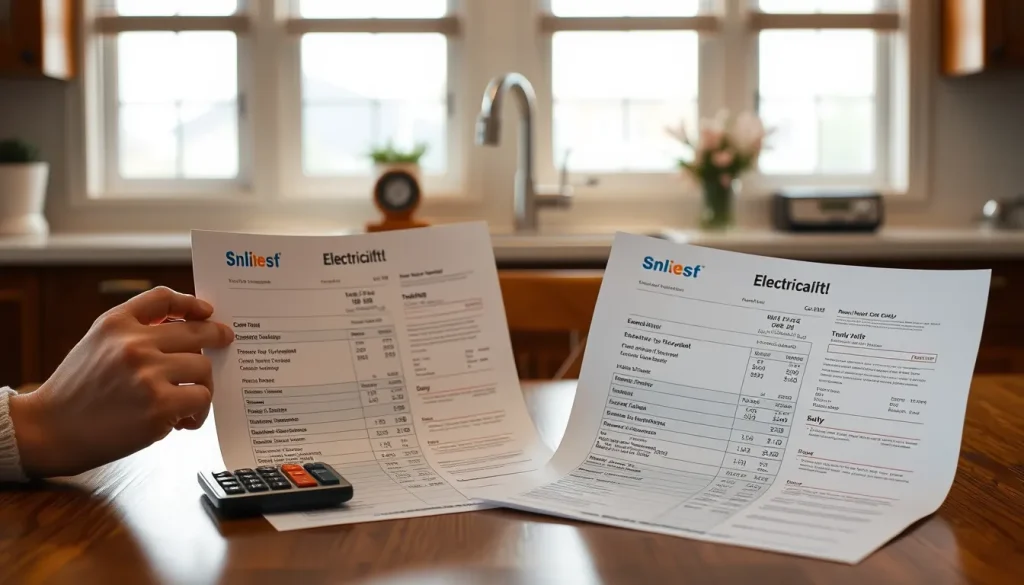
A higher electricity bill with a familiar kWh figure can look like an error, but it usually means that something other than total consumption changed. Usage is only one input. The bill also reflects the price applied to each kWh, fixed monthly charges, delivery charges, taxes, credits, billing-period length, and the way the meter was read. Direct Energy summarizes the main drivers as increased usage, higher rates or charges, or a change in how the bill was calculated, and notes that a longer billing cycle, rate changes, and differences between estimated and actual meter readings can raise a bill even when usage looks similar.
First, separate usage from the bill
Electricity usage is measured in kilowatt-hours (kWh). A bill is not a single price per kWh. It is usually a combination of:
- usage charges: kWh multiplied by a rate;
- fixed charges: a monthly service fee or daily charge;
- delivery or distribution charges;
- taxes, riders, and other adjustments;
- credits, penalties, or minimum-usage charges, if the plan has them.
For a quick comparison, calculate the effective average rate: total amount due ÷ billed kWh. This number includes all charges, so it is usually higher than the advertised energy rate. It is useful for comparing two bills, not for estimating the cost of one extra appliance.
Suppose a previous bill was 900 kWh and $120: $108 for energy at 12 cents/kWh plus a $12 fixed charge. The effective average rate was $120 ÷ 900 = $0.1333/kWh. A later bill is also 900 kWh but totals $135: $117 for energy at 13 cents/kWh plus an $18 fixed charge. The effective average rate is $135 ÷ 900 = $0.15/kWh. Usage did not change, but the bill rose $15: $9 from the higher energy rate and $6 from the higher fixed charge. Real bills may also include delivery, taxes, and credits, but the arithmetic is the same: compare total charges and divide by kWh.
Common reasons the bill rises while kWh stays flat
1. The rate changed
Variable-rate plans can change from one billing period to another. A fixed-rate plan can also change after its contract term ends, often rolling to a month-to-month variable rate. APG&E lists expired contracts among common causes of high bills; Reliant lists variable-rate plans. A rate change can be easy to miss because the kWh total still looks normal.
Market conditions can matter too. The Public Utility Commission of Texas notes that natural gas prices and other market factors can influence electricity prices, and that a utility’s rates can change. Those forces do not always change usage; they change the price attached to it.
2. Fixed or minimum charges changed
A monthly service fee, daily charge, or minimum-usage requirement can raise a bill without changing kWh. Reliant identifies minimum usage requirements as a possible cause of bill increases. If a plan charges a fee when usage falls below a threshold, or removes a credit at a certain usage level, the same kWh total can produce a different amount due under different plan terms.
3. Delivery charges and riders changed
Delivery charges pay for moving electricity over poles and wires. In Texas, these are often called TDSP charges, after the transmission and distribution service provider. Reliant lists TDSP charges among common bill-increase causes. The PUCT regulates transmission and distribution utility rates in competitive areas of Texas, but it does not set the final retail price charged by an electricity provider. A change in delivery charges can therefore raise a bill even when the retail energy charge and kWh total are unchanged.
4. The billing period was longer
Billing periods are not always exactly one month. A bill covering 33 days instead of 30 can include more daily fixed charges, and it represents a different period for usage. Direct Energy notes that a longer billing cycle can raise a bill. To compare fairly, calculate kWh per billed day and fixed charges per day, not just total kWh and total dollars.
Illustrative example: if a plan has a $0.40 daily charge, 30 days produces $12.00 and 33 days produces $13.20. That is only $1.20, so daily charges alone rarely explain a large jump. The point is to compare equivalent periods before concluding that the rate or usage is wrong.
5. A meter reading was estimated
Some bills use an estimated reading when the meter was not read, followed by a true-up when an actual reading is available. Direct Energy lists differences between estimated and actual meter readings as a reason a bill can rise. Check the bill for words such as actual, estimated, or projected. If the current bill is estimated high, the next actual reading may adjust the account; if it is estimated low, a later bill can catch up. If the reading looks wrong, contact the provider and ask how the reading was obtained. Do not open or tamper with the meter.
6. The same kWh was used at different times or in different blocks
Not every plan charges one flat rate for every kWh. Some use tiered pricing, time-of-use pricing, or demand charges. With tiers, the price can rise after a certain monthly kWh level. With time-of-use pricing, kWh used during peak hours can cost more than kWh used off-peak. With a demand charge, the bill includes a charge based on peak power (kW), not just total energy (kWh). If total kWh is the same but more of it lands in expensive hours or at a high peak, the bill can be higher. Check the plan’s pricing section and the bill’s usage breakdown.
7. Fees, taxes, credits, or past balances changed
The total amount due can include more than the current period’s electricity. A late fee, returned-payment fee, deposit, connection fee, or past-due balance can raise the total. A credit that appeared on an earlier bill may have expired or been used up. Taxes and riders can also change. Compare the itemized charges, not only the kWh line and the amount due.
8. A billing or meter error is possible, but verify the basics first
Meter and billing errors happen, but they are less common than rate, fee, period, and reading differences. Before requesting a meter test, confirm the billed days, the meter readings, the plan rate, and every added charge. If those do not explain the increase, ask the provider for a line-by-line explanation and follow its dispute process. In Texas, the PUCT provides consumer help for electricity issues; delivery-charge questions may need the utility or TDSP.
How to check your own bill
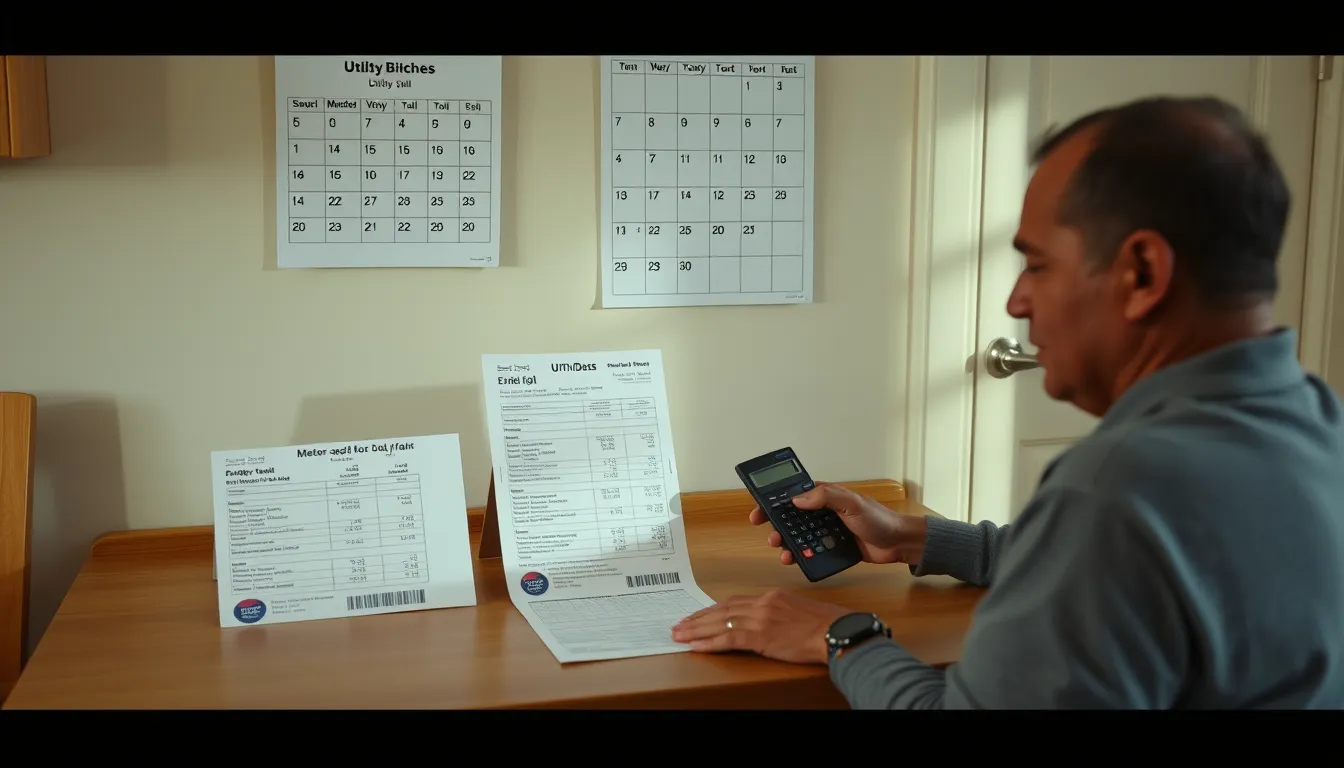
Use a current bill and a comparison bill from the previous month or the same month last year. A same-month comparison can reduce seasonal distortion, but only if the billing periods and plan terms are also comparable.
- Write down the billing start and end dates and the number of billed days.
- Write down total kWh and calculate kWh per day. If the days differ, this is more useful than raw kWh.
- Find the meter readings and note whether each is actual or estimated.
- Identify the plan type, contract end date, energy rate, and any monthly or daily fixed charge.
- List delivery or TDSP charges, riders, taxes, credits, minimum-usage charges, and any past balance or late fee.
- Calculate the effective average rate for each bill: total amount due ÷ kWh.
- Check for tiers, time-of-use periods, demand charges, or usage credits that could change the price without changing total kWh.
If the two bills have different numbers of days, restate both on a per-day basis. If the plan rate changed, separate the effect of the rate from the effect of fixed charges. If an estimated reading is involved, wait for the actual reading or ask the provider to explain the true-up before treating the difference as a permanent increase.
What to say when you contact your provider
Ask for the specific reason the amount due changed when billed kWh did not. Request the billing-period dates, the meter-reading type, the rate applied to each block of usage, all fixed and delivery charges, and any credits or fees. Ask whether the plan changed, whether a contract expired, and whether the current bill includes a true-up from an earlier estimated reading. Keep the bill and your notes. If the explanation does not match the tariff or contract, ask for the dispute process and the state regulator’s consumer contact information.
For readers in Texas, the PUCT’s consumer-help pages explain that usage, market factors, and utility rate changes can all affect the total amount due, and that the PUCT does not set the final retail price. That division matters: a retail provider question and a delivery-charge question may go to different places.
Bottom line
When kWh is unchanged but the bill is higher, compare equivalent billing periods and calculate the effective average rate. Then look for a changed rate, a contract expiration, a new fixed or minimum charge, higher delivery charges, an estimated meter reading, or a shift in when the kWh was used. A higher bill does not automatically mean higher usage or a faulty meter. The useful next step is to gather the billed days, readings, rate, and itemized charges, then ask the provider to explain the difference line by line.
FAQ
My kWh is the same and my rate is the same. Why is my bill higher?
Check the billing period length, daily fixed charges, delivery or TDSP charges, taxes, credits, late fees, past balances, and whether a meter reading was estimated. Also check for tiered, time-of-use, or demand charges that can change the amount due even when total kWh stays the same.
Can a longer billing period raise a bill even if total kWh is unchanged?
Yes. A longer period can add daily fixed charges and represents a different span of service. Compare kWh per day and fixed charges per day, not just total kWh and total dollars.
Does a higher bill mean my meter is faulty?
Not usually. Rate changes, fees, billing-period differences, estimated readings, and plan terms are more common explanations. Verify the itemized charges and readings first; if they do not explain the difference, ask the provider or utility about its meter-check process.
What is the difference between the energy rate and the effective rate?
The energy rate is the price applied to kWh under the plan. The effective average rate is total amount due divided by kWh and includes fixed charges, delivery charges, taxes, and credits. Use the effective rate to compare whole bills and the marginal energy rate to estimate the cost of extra usage.
Follow the evidence
Sources & references
- Direct Energy. Why Did My Electric Bill Go Up? Common Reasons. September 16, 2026. https://www.directenergy.com/en/learn/seasonal/why-is-my-electricity-bill-high-summer. Retrieved November 5, 2026.
- APG&E. Why Is My Electric Bill So High? 8 Common Causes. Last updated October 2026. https://www.apge.com/why-is-my-electric-bill-so-high. Retrieved November 5, 2026.
- Reliant Energy. Why Did My Bill Increase? https://www.reliant.com/en/residential/help-support/customer-resources/why-did-my-bill-increase. Retrieved November 5, 2026.
- Public Utility Commission of Texas. Understanding Your Electric Bill. http://puc.texas.gov/consumer-help/electricity/understanding-bill/. Retrieved November 5, 2026.
Useful terms in this guide
- Kilowatt-hour (kWh)
- A unit of energy equal to using 1 kilowatt of power for 1 hour; it is the main usage unit on most residential bills.
- Effective average rate
- The total bill divided by billed kWh; it includes fixed charges, delivery charges, and taxes, so it is usually higher than the advertised energy rate.
- TDSP
- Transmission and distribution service provider; the utility that delivers electricity over local wires and charges delivery fees, a term often used in Texas.
- Estimated meter reading
- A reading based on past usage rather than an actual meter reading, later adjusted when an actual reading is obtained.
Have a question about these numbers?
Tell us what needs a closer look.